
A patio cover is more than just protection from the elements it’s the foundation of how you’ll enjoy your outdoor living space. For homeowners in climates with hot summers or chilly shoulder seasons, the choice between insulated and non-insulated patio covers can make all the difference. Understanding the differences, benefits, and ideal applications of each will help you make the right investment for your home.
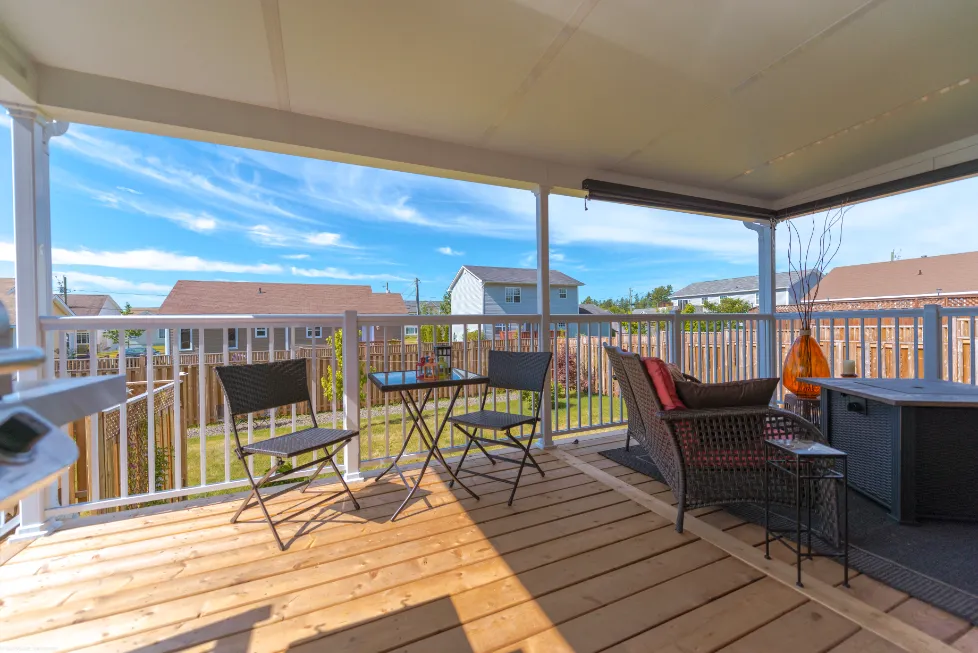
From Shade to Shelter: Understanding Patio Covers
Before choosing between insulated or non-insulated, it helps to understand what patio covers are designed to do. Patio covers provide shade, shelter, and structural integration with your home, extending the usability of outdoor areas. They can be freestanding or attached to an existing structure, and materials range from lightweight acrylic to insulated aluminum panels with foam cores.
Patio Covers Defined
At their core, patio covers are built to:
- Reduce direct sun exposure.
- Protect furniture from UV damage and rain.
- Create a comfortable space for dining, relaxing, or entertaining.
The decision comes down to how much comfort, durability, and seasonal flexibility you want in your outdoor living area.
What Are Non-Insulated Patio Covers?
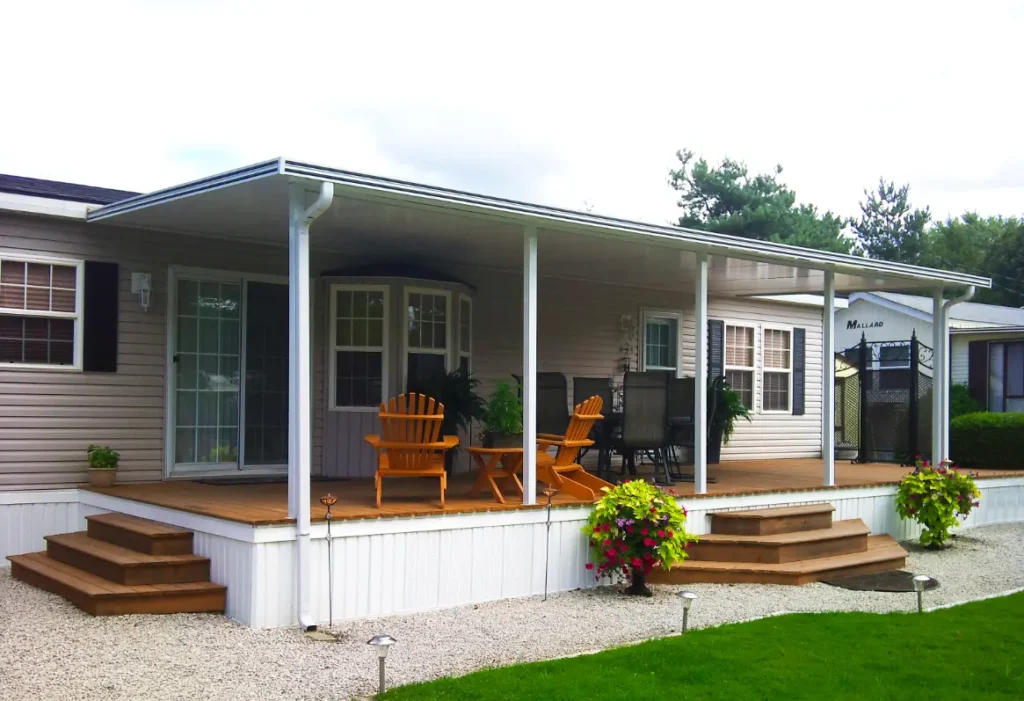
Non-insulated patio covers are the simpler of the two options, often constructed from aluminum or acrylic panels without foam insulation. They are lightweight, affordable, and designed primarily for shade and rain protection.
Key Features of Non-Insulated Covers
- Made from aluminum or acrylic panels.
- Protects from UV rays and precipitation.
- Typically lower cost than insulated systems.
- Easier and quicker installation.
Advantages of Non-Insulated Patio Covers
Non-insulated patio covers are a popular choice for homeowners who want functional shade without the higher price tag of insulated panels.
Cost-Effective Shade Solution
Non-insulated covers are budget-friendly, making them an attractive entry-level option for homeowners who want to define their patio space without a major investment.
Lightweight and Versatile
Because they don’t have a foam core, non-insulated covers are lighter and easier to install. They work well for smaller patios, balconies, or as freestanding shelters in a backyard.
Ideal for Mild Climates
If you live in an area where summers are warm but not extreme, a non-insulated cover provides plenty of shade without trapping heat.
Limitations of Non-Insulated Patio Covers
Heat Retention
Non-insulated panels can become hot to the touch under intense sun. This can radiate heat downward, making the patio less comfortable during peak summer afternoons.
Noise and Weather Challenges
Rain or hail hitting non-insulated aluminum panels can be loud. Additionally, they don’t offer the same structural strength against heavy snow loads.
Fewer Customization Options
Compared to insulated covers, non-insulated designs are less adaptable to built-in accessories like fans, lighting, or skylights.
What Are Insulated Patio Covers?
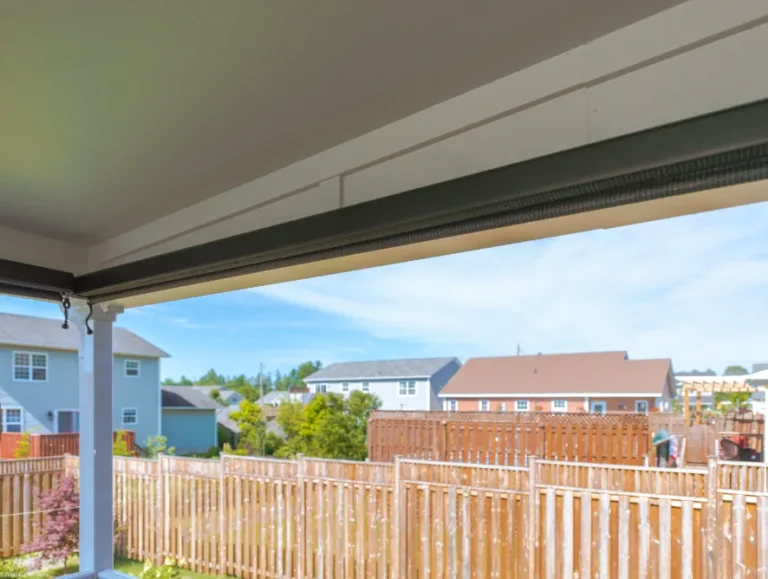
Insulated patio covers include a high-density foam core typically 3″, 4″, or 6″ thick sandwiched between durable aluminum panels. This construction provides enhanced strength, insulation, and year-round comfort.
Key Features of Insulated Covers
- Foam-core panels improve thermal efficiency.
- Built to handle heavy snow loads and extreme weather.
- Compatible with integrated lighting, fans, and skylights.
- Longer-lasting durability and structural strength.
Advantages of Insulated Patio Covers
Insulated covers take outdoor comfort to the next level, making them a premium option for serious outdoor living enthusiasts.
Superior Temperature Control
The foam core reduces heat transfer, keeping the area underneath cooler in summer and warmer in cooler months. This makes the space usable for a much longer season.
Noise Reduction
Insulated panels dampen the sound of rain or hail, creating a quieter, more relaxing environment during storms.
Structural Strength
Designed to withstand snow loads, insulated panels are ideal for regions with harsh winters. They also support additional features like skylights, recessed lighting, and ceiling fans.
Long-Term Investment
Though they cost more upfront, insulated patio covers deliver better durability and energy efficiency, often increasing a home’s resale appeal.
Limitations of Insulated Patio Covers

Higher Upfront Cost
Insulated panels are more expensive than non-insulated options, both in terms of material and installation.

Heavier Construction
Because they are structurally stronger, they require more robust framing and professional installation. This may extend project timelines compared to lightweight systems
How to Decide: Insulated vs Non-Insulated?
Climate Considerations
- Hot or cold extremes: Go with insulated.
- Mild, temperate regions: Non-insulated works well.
Lifestyle Factors
- Year-round or extended-season use: Insulated is worth the investment.
- Occasional shade for summer afternoons: Non-insulated is sufficient.
Budget Realities
- Entry-level or tight budget: Non-insulated is the most affordable choice.
- Long-term home investment: Insulated covers provide more value over time.
Though they cost more upfront, insulated patio covers deliver better durability and energy efficiency, often increasing a home’s resale appeal.
Wayside Sunrooms: Expert Guidance for Your Perfect Patio Cover
At Wayside Sunrooms, we help homeowners navigate the decision between insulated and non-insulated patio covers with ease. Our team has years of expertise designing custom outdoor solutions that balance comfort, performance, and budget. Whether you want a simple shaded retreat or a fully insulated extension of your home, we’ll guide you through every option, provide transparent pricing, and deliver expert installation.
Making the Right Patio Cover Choice Simple and Stress-Free
Both insulated and non-insulated patio covers offer valuable benefits, but the right choice depends on how you plan to use your outdoor space. If you want a budget-friendly shade solution for summer afternoons, non-insulated covers may be the perfect fit. For year-round comfort, noise reduction, and long-term durability, insulated covers are worth the investment. With Wayside Sunrooms, you’ll have the guidance and expertise to choose the cover that matches your lifestyle and transforms your patio into a space you’ll love for years to come.
